Inside The BIC’s Spring 2026 Startup Sprint

What if you could test your startup idea in 24 hours with zero risk?
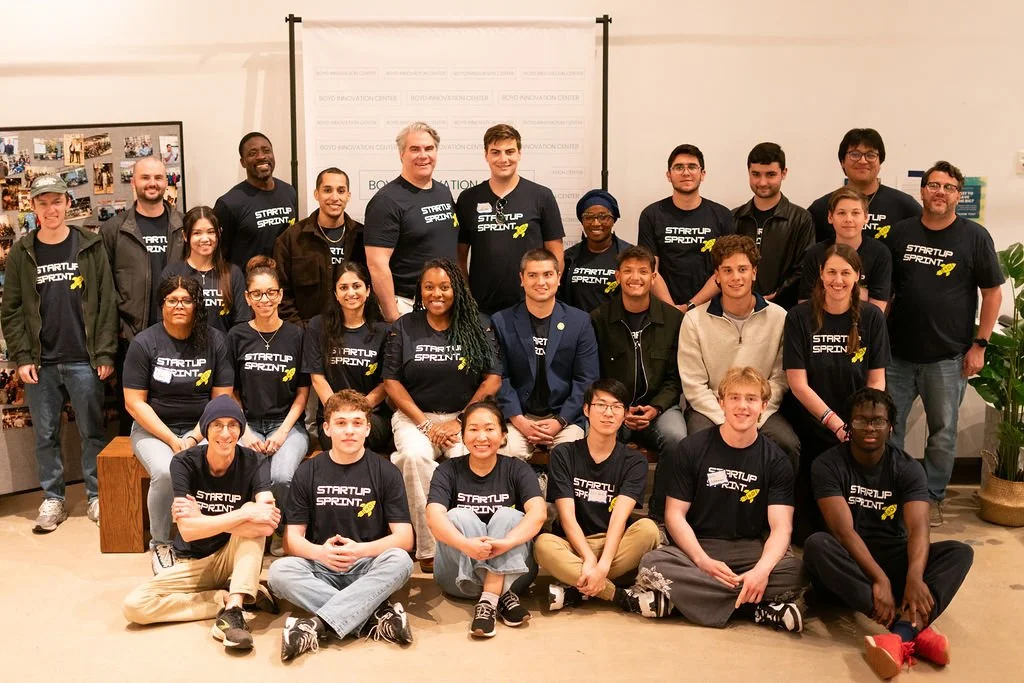
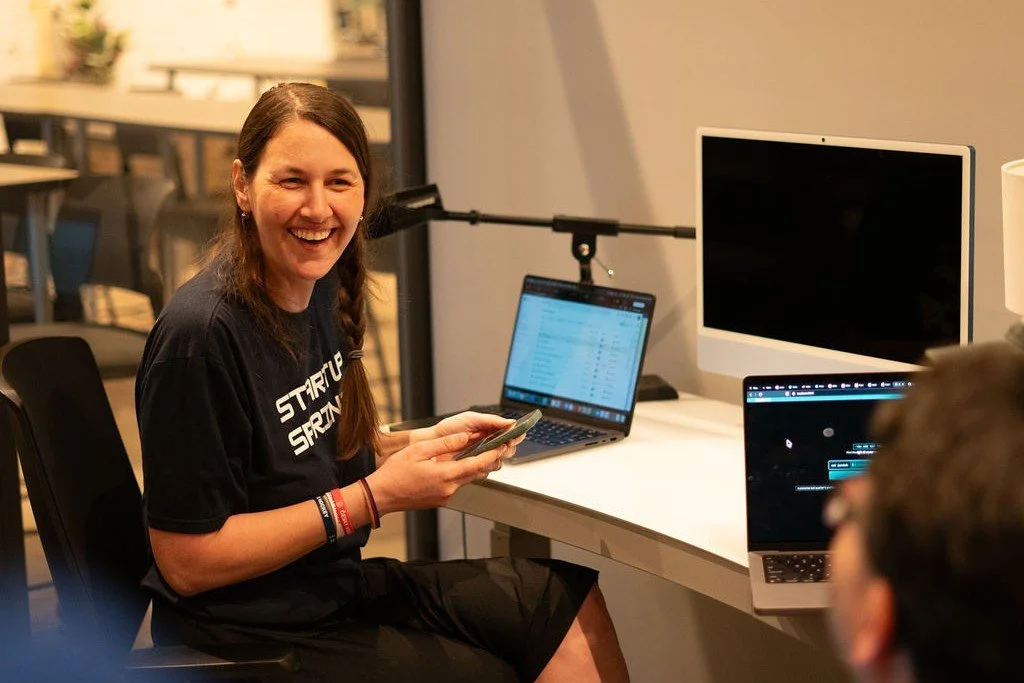
That's the premise behind Startup Sprint—and this March, over 30 strangers showed up at the Boyd Innovation Center to find out if it was possible.
Students, professionals, and community members from all kinds of backgrounds arrived with one thing in common: curiosity about entrepreneurship and a willingness to see what they could build.
Friday Evening: Pizza, Pitches & Team Formation
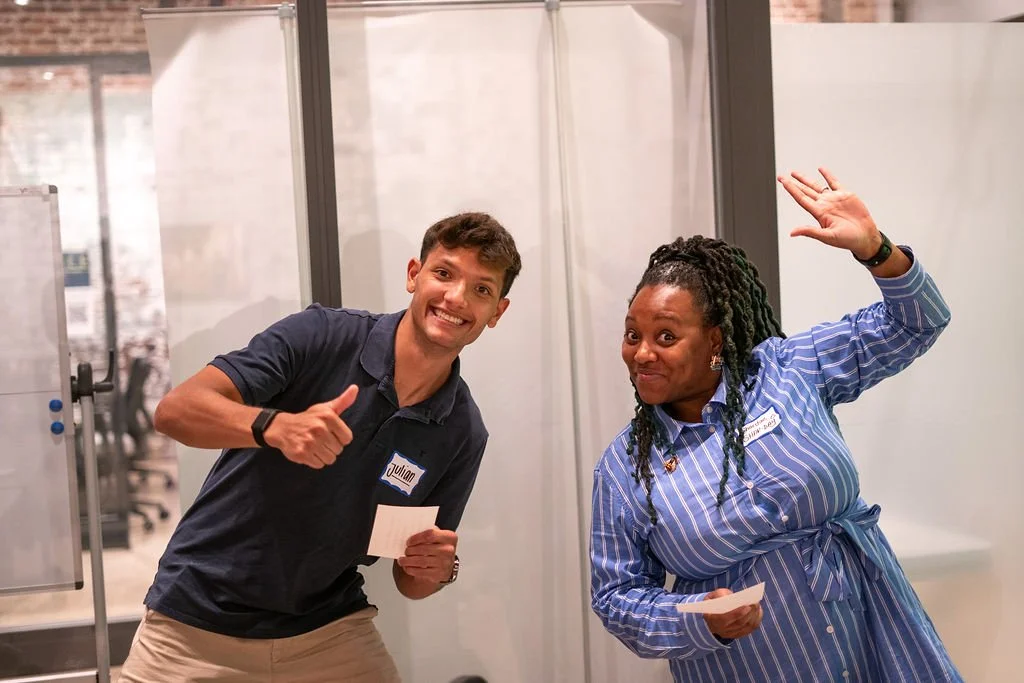
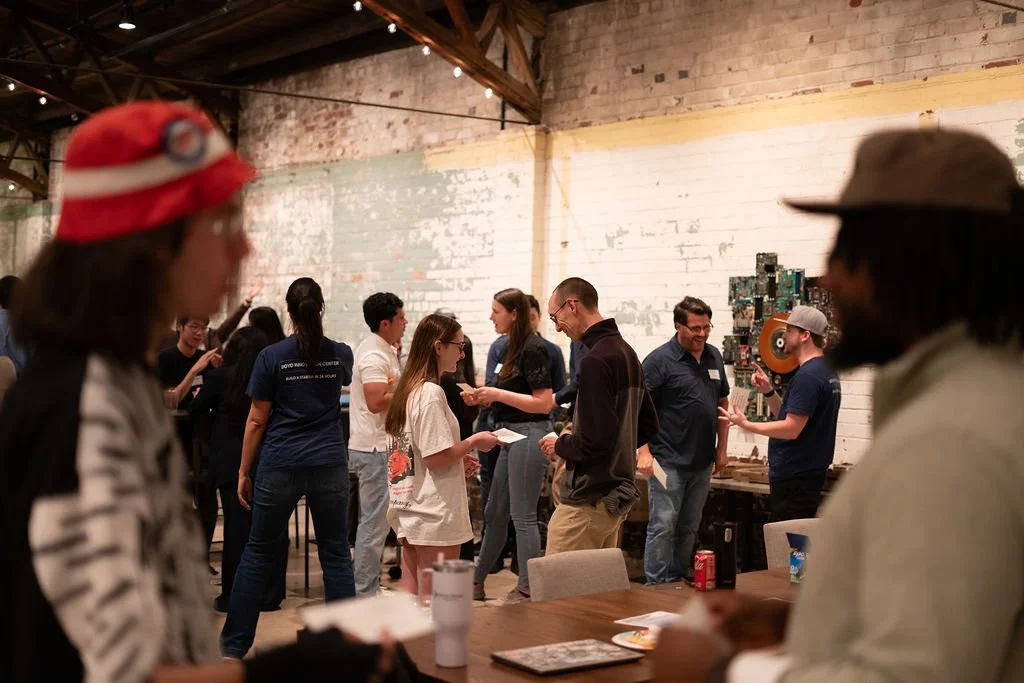
The energy on Friday evening was a mix of nervous excitement and curiosity. Participants arrived at the BIC, grabbed pizza (thanks to our sponsor Village Idiot Pizza!), and met each other for the first time.
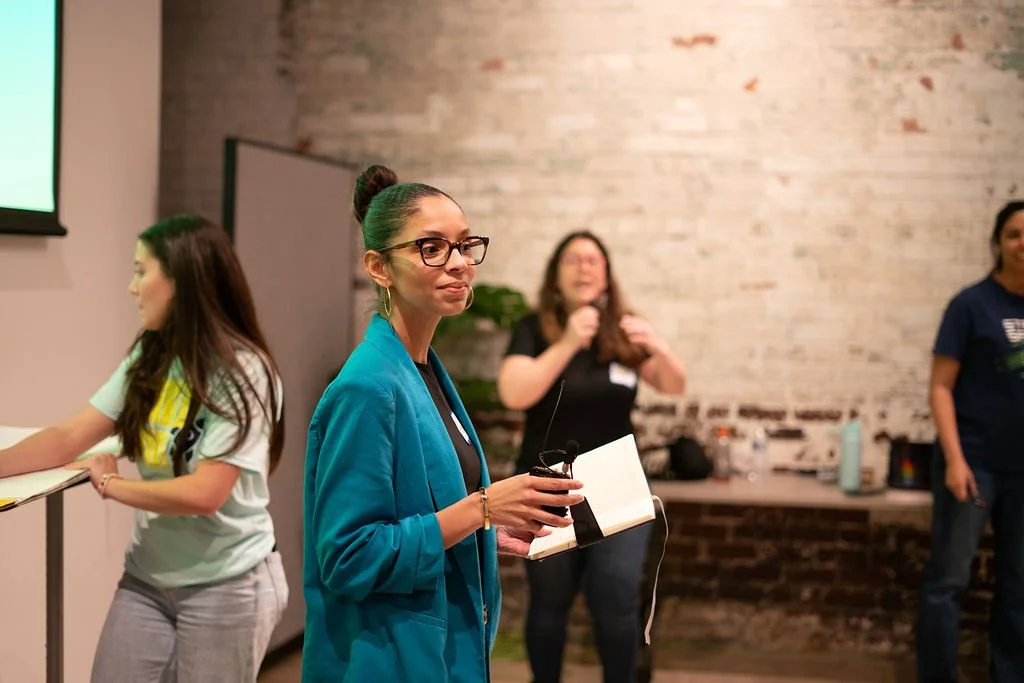
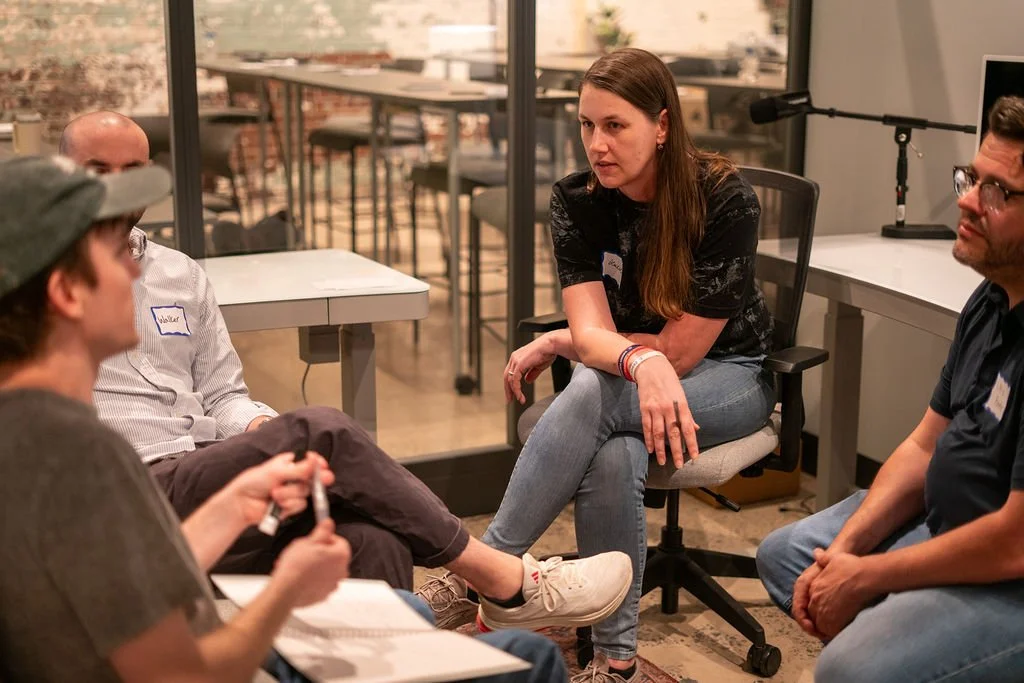
After quick introductions to see who was in the room, Cynthia Villar from CIU's Business & Career Development Center led an ideation exercise. Those who brought ideas broke down the problems they were solving. Those who came to join teams articulated the skills and experience they could contribute.
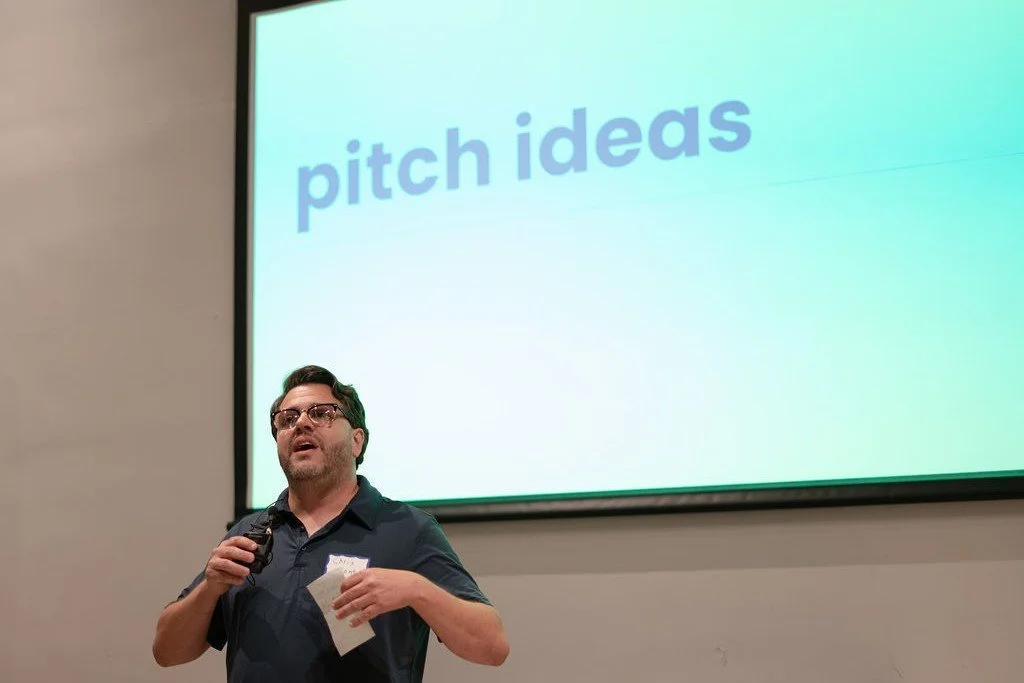
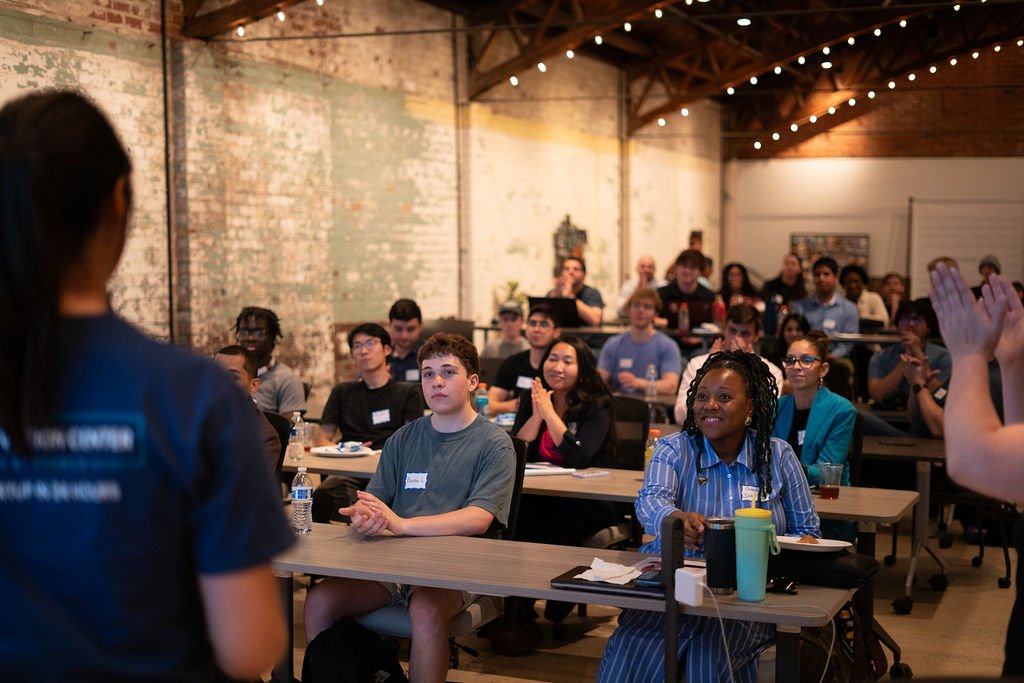
Then it was time to pitch: 11 participants took to the front of the room with one minute each to pitch their ideas.
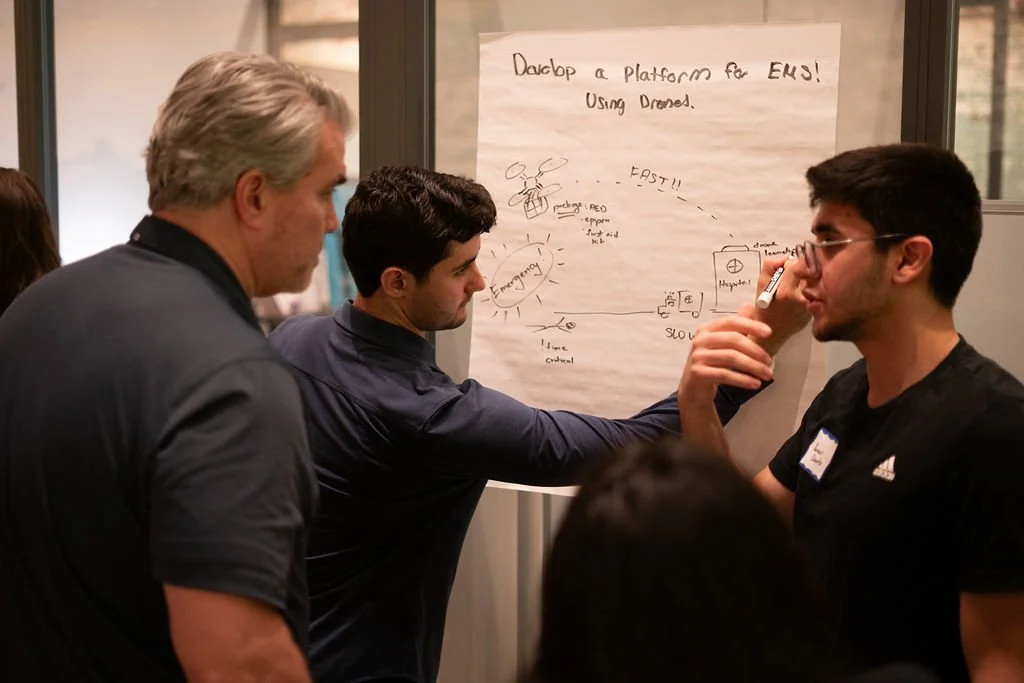
The problems they wanted to solve ranged from childcare verification to emergency response times to student financial literacy. After the pitches, participants walked the room, asked questions, and figured out which ideas resonated with them.
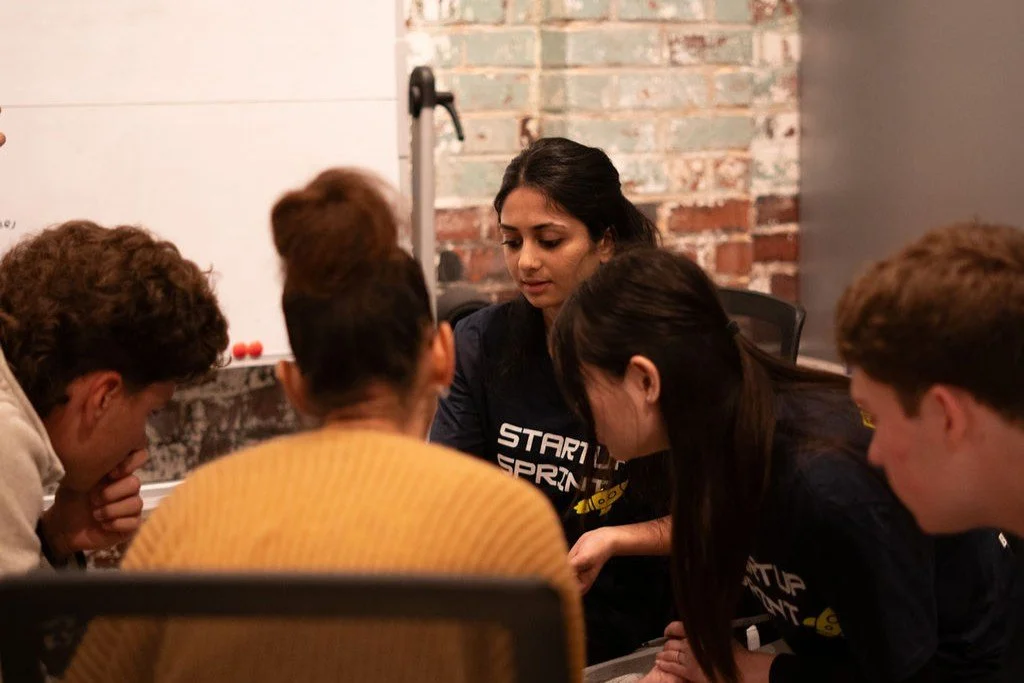
By the end of the evening, teams had formed. Contact information was exchanged. The excitement was building. Some participants were so energized they spent time overnight working on their ideas.
The sprint was officially on.
Saturday: Seven Sprint Blocks, One Day of Building
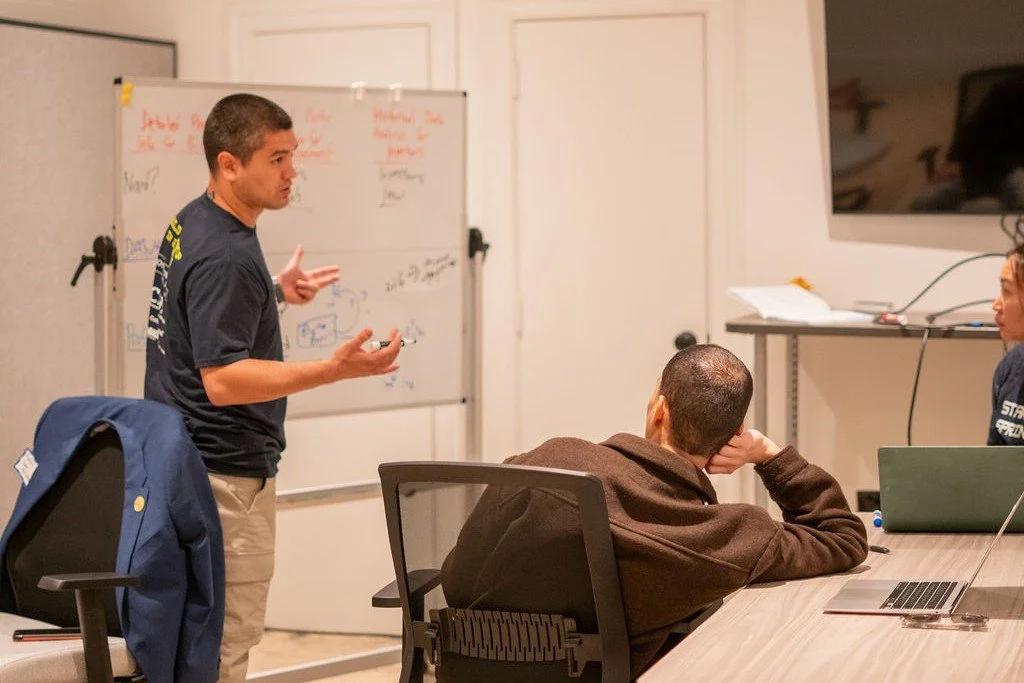
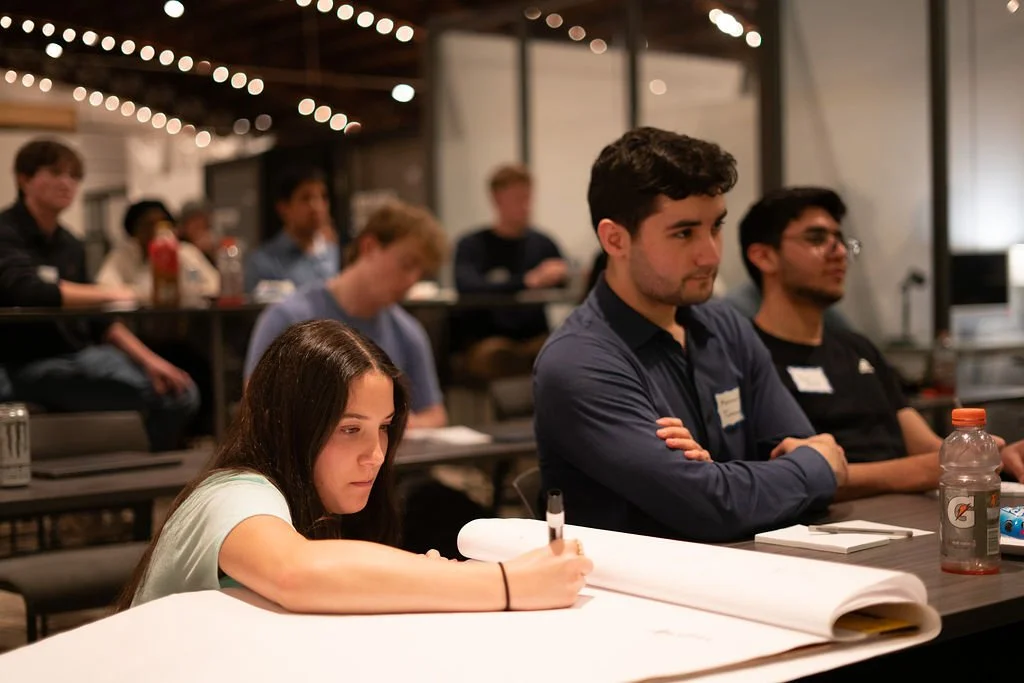
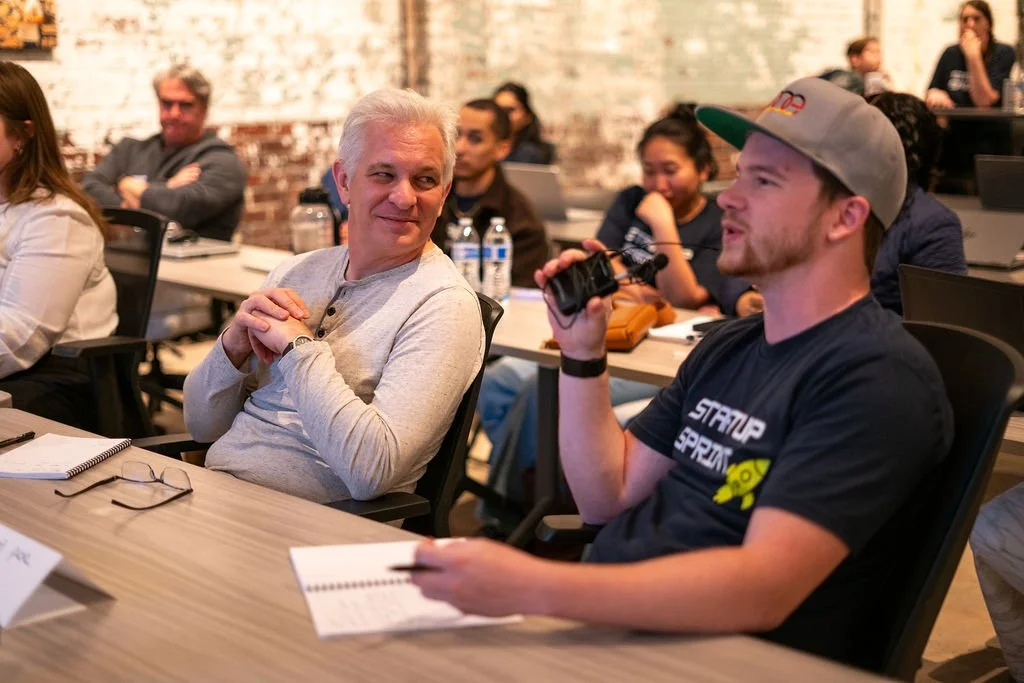
Teams arrived Saturday morning, ready to collaborate. We had coffee and breakfast ready and the teams jumped right in. What followed was a full day of expert-led sprint blocks covering critical aspect of building a startup.
Sprint Block #1: Problem & Solution Framing
Dana Watkins, BIC Program Manager and founder of Snaply Sites, kicked things off by helping teams narrow their focus and clearly articulate the problems they were solving. It's easy to get excited about a solution, it's harder to stay focused on whether it solves a real problem for real people.
Sprint Block #2: Customer Personas & Journey
Mary Kate Korpita, VP of Client Engagement at Flock & Rally, brought the customer into sharp focus. She shared the importance of understanding your audience and walked teams through building detailed customer personas. Who has this problem? What does their day look like? How do you reach them?
Sprint Block #3: Validation
Karl McCollester, Founder of GovPossible, delivered a reality check: Your idea isn't validated until real people—not just your mom—say they need it. He helped teams understand how to test whether someone would actually pay for their solution.
Sprint Block #4: What is an MVP?
Sam Herskovitz, BIC Executive Director and former Product Manager, gave an overview of what a minimum viable product really means. Not the perfect version of your idea—the simplest version that proves your concept and generates real feedback.
Sprint Block #5: Building Prototypes with AI
Dan Young, Founder of PostPixel, introduced teams to the tools and frameworks for building prototypes and MVPs using AI. Teams learned how to rapidly create functional prototypes without traditional development skills—turning ideas into tangible products in hours, not months.
Sprint Block #6: Refining Your Solution
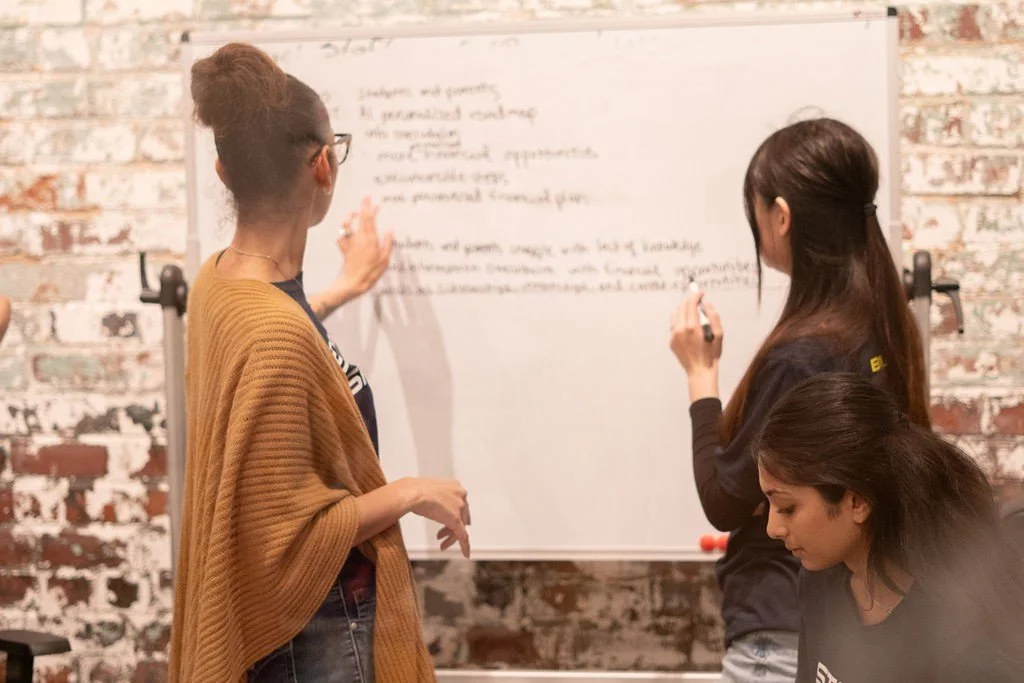
Tyler Tong, Fractional CFO and Founder of Epic Arches, helped teams refine their solutions. What are you actually solving? Why does it matter? What assumptions need testing? This was the moment to get brutally honest before pitching.
Sprint Block #7: The Power Pitch
Cynthia Villar, Director at CIU’s BCDC closed out the sprints by teaching teams how to tell the story of the problem they're solving and pitch to potential investors and customers. How do you communicate your vision in a way that makes people care?
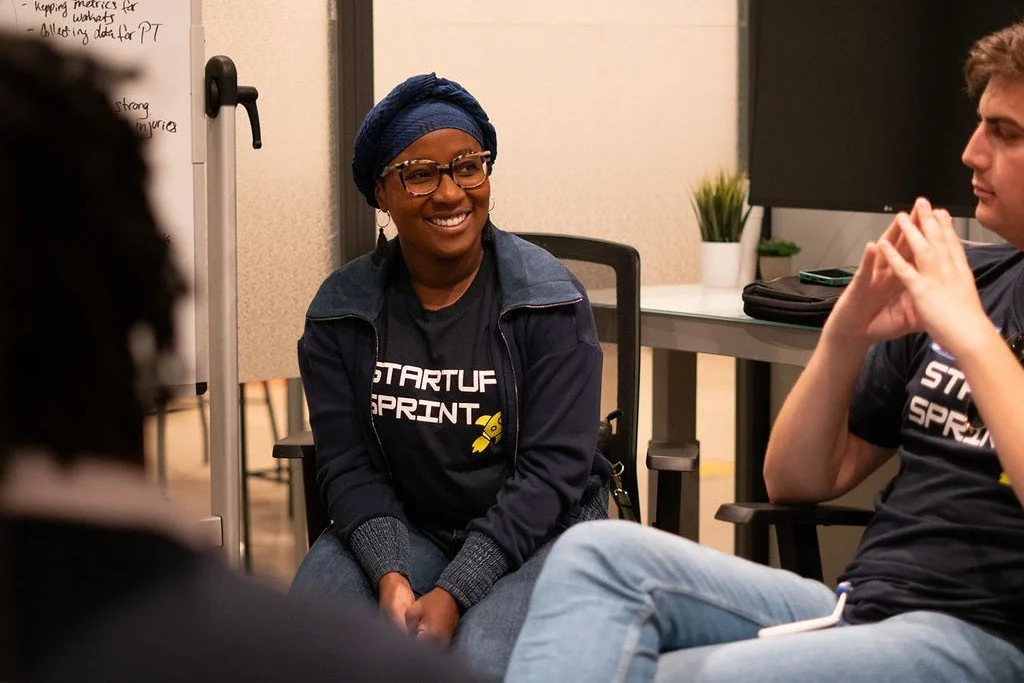
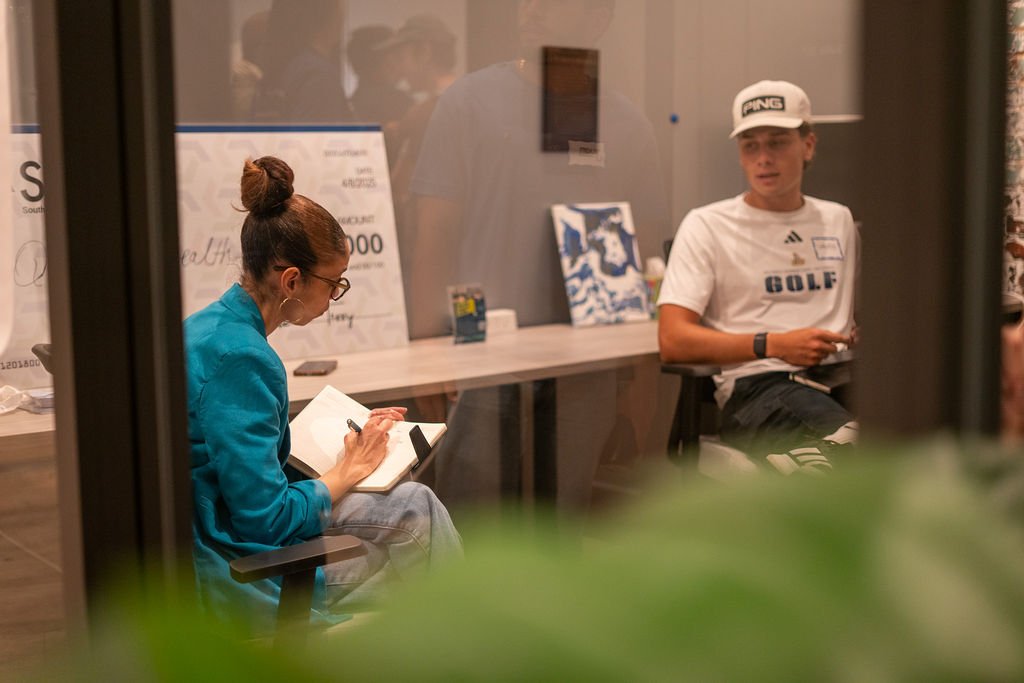
Throughout the day, sprint block leaders circulated among teams, providing individualized feedback and pointing them in the right direction. This wasn't just lecture-style learning, it was hands-on guidance from people who've built real businesses.
The Pitches: Real Solutions from Real Teams
By late afternoon, it was time to pitch. Teams presented to a panel of experienced entrepreneurs (Luke Bare, Jade Pruett, and Karl McCollester) who asked tough questions and evaluated each concept on viability, investability, and innovation.
After just 24 hours of working together, these teams made incredible progress.
Most Viable: KinderCheck, A two-sided childcare verification platform that bridges the gap between working parents and childcare providers by streamlining enrollment verification, attendance tracking, and subsidy compliance.
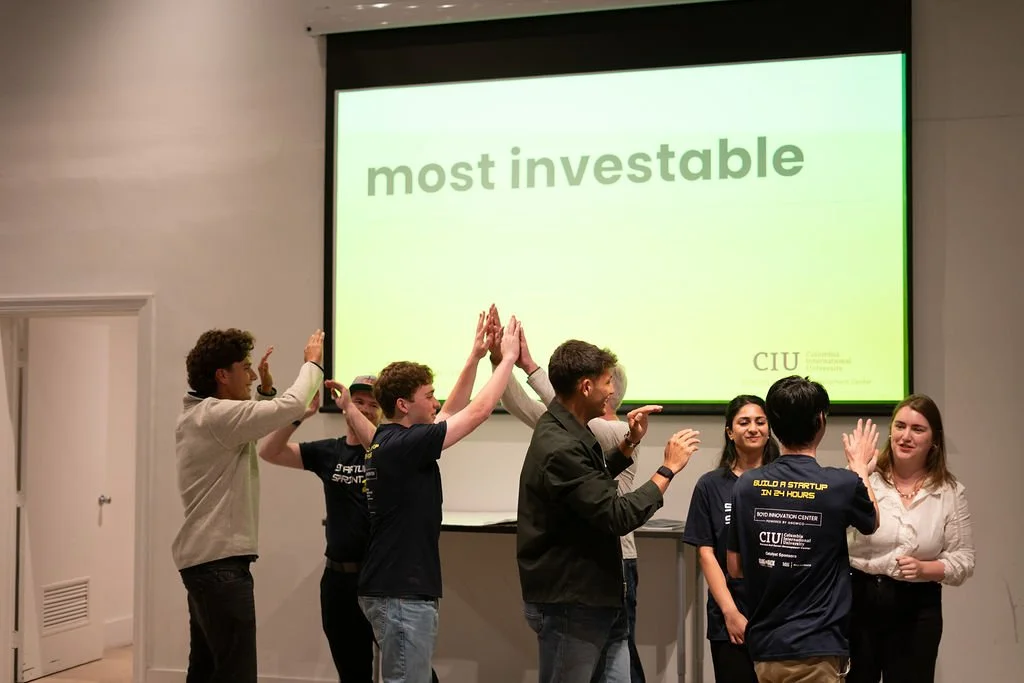
Most Investable: ScholarConnect, a platform that helps students navigate financial resources, scholarships, and opportunities they might otherwise miss due to information overload.
Most Innovative: GAMET, a fast-response drone with two-way communication that provides real-time scene awareness to emergency responders before they arrive.
Every team did phenomenal work. They all showed up as strangers, formed teams, validated ideas, built prototypes, and pitched solutions—all in 24 hours.
What Participants Left With
Startup Sprint wasn't just about winning awards. Participants left with:
New connections and an expanded network – Potential co-founders, collaborators, and friends who understand the entrepreneurial journey
Foundational understanding of what actually goes into building a startup – Not theory, but real, hands-on experience
Momentum and excitement – The energy to keep building or the clarity to pivot
Validation about their ideas – Whether to keep going, change direction, or join someone else's team
A community at the BIC to keep building – Access to resources, mentorship, and fellow founders
Thank You to Our Partners & Sponsors
Startup Sprint wouldn't be possible without incredible community support:
CIU's Business Career Development Center helped lead and plan sprint blocks and served as co-hosts throughout the day.
University of South Carolina Entrepreneurship Club provided volunteers who kept everything flowing smoothly and even took over our social media to capture the day's action.
Our Sponsors:
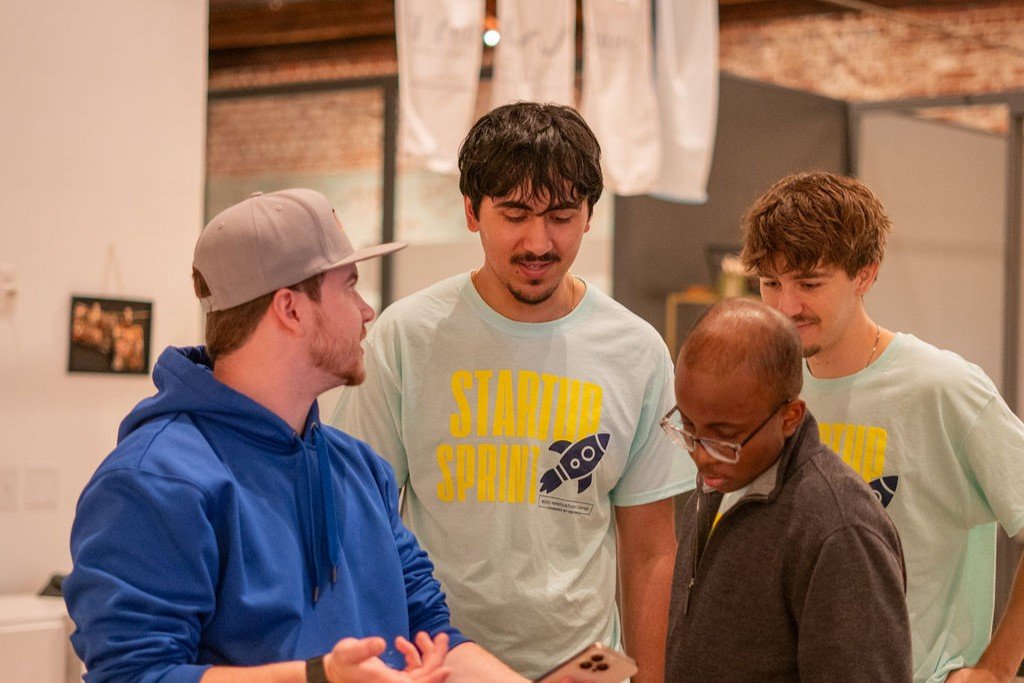
Mill and Crate generously donated t-shirts to help teams build camaraderie and unity.
Bang Back Pinball Lounge covered our celebration happy hour and made it possible for this event to be completely free and open to all participants.
Synovus + Pinnacle Financial Partners sponsored breakfast and helped contributed to material costs.
Village Idiot Pizza – Kicked off Friday evening with delicious pizza
Goruchos – Kept us fueled at lunch on Saturday

Why This Matters for Columbia
At the Boyd Innovation Center, our mission is to support founders building scalable tech companies right here in Columbia, South Carolina.
Events like Startup Sprint aren't just about the ideas pitched on stage—they're about building an ecosystem where:
Innovation thrives
Builders find each other
Taking the entrepreneurial leap doesn't feel so lonely
The community rallies around new ideas
Over 30 people walked into the BIC as strangers. They left as teammates, collaborators, and part of Columbia's growing tech and entrepreneurship community.
That's what we're building here.
Ready to Be Part of Columbia's Tech Startup Community?
Whether you're testing your first idea, scaling a growing company, or exploring what role you want to play in the startup world, the Boyd Innovation Center is your home base.
Connect with us: